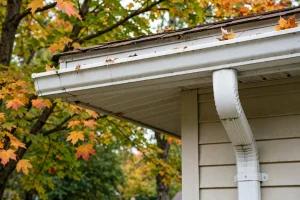
Executing a robust summer home maintenance schedule protects your property from severe structural wear and prepares it for the harsh seasons ahead. Ottawa properties endure extreme weather patterns, transitioning rapidly from freezing winters to intense, humid July afternoons. This dramatic shift tests your building envelope, making mid-summer the ideal time to inspect vulnerable exterior components. If you notice signs of warping or cracked panels along your exterior walls, scheduling professional siding assessments early ensures your home remains protected against moisture. Completing these 12 tasks this month ensures small problems do not turn into expensive emergency repairs.
Essential summer home maintenance includes clearing clogged eavestroughs, sealing exterior window perimeters, inspecting roof shingles, washing siding surfaces, and correcting foundation grading. Ottawa property owners typically invest between 450CAD and 2,500CAD on routine preventative exterior work each year to avoid catastrophic structural failures down the road.
1. Foundation and Structural Summer Home Maintenance

Task 1: Inspecting and Injecting Foundation Cracks
Your structural summer home maintenance must begin at ground level. Walk your entire perimeter to scrutinize the exposed concrete foundation wall for newly formed fissures. The intense soil pressure from spring thawing followed by July drying causes concrete to shrink and shift. If you spot vertical hairline fractures, monitor them closely. Hairline cracks smaller than an eighth of an inch can often be sealed using an expanding polyurethane injection kit. This material expands deep into the void, creating a flexible, waterproof barrier. However, if you discover horizontal cracks or shifting blocks, you must consult an expert immediately to prevent catastrophic wall buckling during the next frost cycle.
Task 2: Assessing and Correcting Concrete Grading
Poor ground slope around your foundation poses a direct threat to your basement. Walk around your home during a heavy July rainstorm to observe how water moves across your property. The earth should slope downward away from your foundation walls at a minimum decline of one inch per foot for the first six feet. Over time, soil settles, creating dangerous negative grading that funnels thousands of gallons of roof runoff directly against your concrete. Remediate these low spots by packing clean clay or topsoil firmly against the foundation, keeping the final grade at least six inches below your bottom row of siding panels.
2. Exterior Cladding and Siding Upkeep

Task 3: Checking Vinyl Siding for Thermal Expansion
Extreme heat places immense stress on exterior materials. When tracking your summer home maintenance goals, examine how your vinyl or aluminum panels are holding up under the direct sun. Siding expands significantly during a humid Ottawa July. Professional installers secure siding by driving fasteners into the center of the nailing slots, leaving a precise 1/32-inch gap between the nail head and the vinyl flange. If panels are nailed too tightly to the structural wood strapping, they will buckle, warp, or crack as they attempt to expand. Walk around south-facing walls and gently wiggle the panels horizontally; if they do not slide easily, the fasteners are too tight and require adjustment before the vinyl cracks permanently.

Task 4: Pressure Washing Grime and Mildew Safely
Accumulated pollen, road dust, and moisture encourage dark mildew growth on northern, shaded walls. Washing your exterior surfaces preserves the factory finishes and maintains curb appeal. When pressure washing vinyl or fiber cement, you must exercise extreme caution. Never spray water at a sharp upward angle, as this forces high-pressure moisture directly behind the panels into your plywood sheathing, destroying your insulation. Set your equipment to a wide 40-degree fan tip and wash downward. Use a soft-bristle brush combined with an eco-friendly house wash to eliminate stubborn organic staining without eroding old brick mortar. For extensive wear or comprehensive replacement details, review [LINK: How Much Does Siding Cost in Ottawa? 2026 Price Guide].
3. Gutter, Downspout, and Roof Summer Home Maintenance
Task 5: Clearing July Eavestrough Blockages
Neglecting your roof drainage system during your summer home maintenance routine leads to rotten fascia boards and waterlogged soffit cavities. Spring maple keys, pine needles, and dislodged shingle granules rapidly accumulate in your gutters, forming dense, heavy clogs. Climb a secured extension ladder and scoop out this heavy debris by hand into a bucket. Clogged gutters trap standing water, creating a breeding ground for mosquitoes and adding hundreds of pounds of unnecessary weight that pulls the metal brackets away from your roofline. Read our comprehensive advice in [LINK: Eavestrough, Soffit & Fascia: Ottawa’s Complete Exterior Maintenance Guide] to optimize your roofline ventilation.
Task 6: Verifying Downspout Extensions and Runoff Flow
Clearing your gutters is only half the battle; you must ensure downspouts move water far away from your basement walls. Flush your entire gutter network with a garden hose to verify that downspouts flow freely without backing up. Check that your elbow joints remain tightly riveted. Ensure every downspout extension discharges water at least four to six feet away from your foundation onto a splash block or stable green space. In dense urban areas like Westboro or Nepean, misdirected downspouts can flood walkways or erode neighbouring landscaping, making precise water management vital. If your channels are warped, consider upgrading via our specialized Eavestrough installation options.
Task 7: Inspecting Roof Shingles and High-Volume Valleys
Summer home maintenance demands a thorough visual scan of your roof slopes. Use binoculars from ground level to examine the state of your asphalt shingles. Look for curled edges, missing mineral granules, or cracked tabs along the ridges. Pay close attention to the valleys, which channel the highest volume of water during heavy downpours. July heat accelerates the deterioration of older asphalt, causing brittle tabs to lift during sudden microbursts. Discovering these weak points early gives you time to patch small sections before autumn winds cause extensive interior ceiling damage.
Need help checking off these complex exterior tasks? Alba offers free assessments in Ottawa — 613-831-9802.
4. Windows, Doors, and Defending Against Drafts
Task 8: Replacing Exterior Polyurethane Window Caulk
Old caulking becomes brittle, shrinks, and pulls away from window frames after enduring multiple Canadian freeze-thaw cycles. Drafty windows allow cooled indoor air to escape, forcing your air conditioning system to work harder. Dedicate time this month to slice away failing silicone using a sharp utility knife. Clean the joint thoroughly with rubbing alcohol to remove residual oils. Apply a continuous bead of high-grade exterior polyurethane caulk along the perimeter. Polyurethane offers exceptional adhesion and flexibility but requires a dry 24-hour window to cure properly before any rainfall occurs.
Task 9: Upgrading Exterior Door Weather Stripping
Unsealed exterior doors act as direct thermal bridges, allowing hot, humid air into your living spaces. Inspect the compression seals along your front, side, and rear entry doors. If the rubber feels stiff or shows visible tears, pull it out of its kerf slot and slide in a matching high-density foam replacement. Check the adjustable sweep at the bottom of the door as well. If you can see daylight beneath the door when it is latched shut, loosen the interior screws and drop the brass sweep down until it forms a snug seal against the threshold without binding.
5. Deck and Fence Preservation in Ottawa
Task 10: Staining and Sealing Wooden Decks
Preserving your outdoor wooden structures should be prioritized during your July summer home maintenance walkthrough. Snow accumulation and ice melting penetrate deep into untreated lumber, splitting the wood fibers over time. Wait for a stretch of three consecutive dry July days to apply a premium penetration stain to your deck surfaces. Avoid thick solid paints, which trap moisture within the wood planks and peel quickly. Clean the wood first with a specialized deck brightener to strip away grey UV damage, allowing the new stain to bond deeply with the lumber. Tighten any loose joist hangers or structural carriage bolts holding your ledger board flush against your home’s rim joist.
Task 11: Testing and Replacing Failing Fence Posts
High winds from summer storms easily topple weak fences. Test your fence line by firmly shaking your structural posts. If a post moves more than two inches at the ground line, the wood beneath the soil has likely rotted out. Dig out failing posts and pour fresh concrete footings extended well below our local 4-foot frost line to prevent frost heave from throwing your gate alignments out of square next spring. Lubricate all latch assemblies and steel hinges with a dry graphite spray to keep them operating smoothly without attracting abrasive road dust.
6. Attic Ventilation and Local Climate Calibration
Task 12: Unblocking Perforated Aluminum Soffit Vents
The final step in your summer home maintenance plan involves securing your roof intake ventilation. In neighbourhoods across Kanata, Stittsville, and Orléans, nesting birds and insects frequently block perforated aluminum soffit panels. When air cannot enter your soffits, your attic space transforms into an oven, reaching temperatures above 60°C on hot July afternoons. This intense heat bakes your shingles from underneath, destroying their adhesive backing and shortening their lifespan. Use a stiff utility brush to clear away cobwebs, dust, and organic blockages from your soffit panels to restore balanced, cooling airflow throughout your roof cavity.
Abiding by regional building guidelines during major exterior upgrades keeps your property compliant and safe. The City of Ottawa mandates structural permits for decks built more than 24 inches off the ground or any major structural cladding changes. All modifications must align with the Ontario Building Code to ensure wind resistance and proper insulation values. Planning these compliance details ahead of time protects your home’s equity and avoids municipal stop-work orders.
| Upkeep Project | 2026 Low Estimate | 2026 High Estimate | Notes |
| Siding Remediation | 8,500 CAD | 24,000 CAD | Final costs depend on material selection (vinyl vs. fiber cement) and total wall area. |
| Eavestrough Installation | 1,400 | 3,800 | Assumes seamless aluminum channels; high end covers premium integrated leaf guards. |
| Window Perimeter Caulking | 450 | 1,200 | Includes complete removal of old sealants and professional polyurethane re-sealing. |
| Foundation Crack Repair | 600 | 2,200 | Low end covers simple polyurethane injections; high end requires external excavation. |
Summer Home Maintenance FAQ
What summer home maintenance should be completed in July?
July summer home maintenance should focus on dry-weather exterior tasks. This includes clearing clogged eavestroughs, inspecting vinyl siding for thermal buckling, applying exterior polyurethane window caulking, staining wooden decks, and checking foundation grading to protect against seasonal storms.
How do seasonal temperature swings affect Ottawa siding?
Ottawa’s extreme temperature shifts cause vinyl and aluminum panels to expand and contract constantly. If panels are fastened too tightly to the wall straps without room to slide, the July heat causes them to warp, buckle, or crack, compromising your weather barrier.
When is the best time to seal an outdoor wooden deck?
The best time is during a warm, dry stretch in July when no rain is forecast for at least 72 hours. This ensures the wood grain is completely dry, allowing the preservative stain to penetrate deeply and cure without moisture interference.
How often should downspout extensions be checked?
Check your downspout extensions during every seasonal maintenance walk. Ensure they remain connected and extend at least four to six feet away from your foundation to prevent roof runoff from pooling near your basement walls.
Can I use standard interior silicone for exterior window sealing?
No, interior silicone cannot withstand intense ultraviolet radiation or freezing temperatures. You must use a dedicated exterior-grade polyurethane caulk, which maintains its elasticity through extreme weather shifts without tearing or shrinking.
What is the average lifespan of residential asphalt shingles in Ontario?
Standard architectural asphalt shingles generally last between 15 and 22 years in our climate. However, poor attic ventilation or blocked soffit intakes can superheat the roof deck, reducing that lifespan to less than 12 years.
Finishing your seasonal summer home maintenance tasks early in July ensures your home remains safe, efficient, and dry all year long. Taking care of small repairs now prevents minor wear from evolving into extensive structural damage before winter returns. If you identified damaged panels or sagging gutters during your walkthrough, check out our professional siding and exterior remodeling services to reinforce your building envelope. Reach out to coordinate your professional inspection or request a detailed estimate today: 613-831-9802, serving Ottawa and surrounding areas.